
When building a community through collective waqf one of the most effective yet often overlooked strategies for establishing impactful waqf is the collective approach. While individual waqf is valuable, collective waqf—where multiple people contribute together toward a shared goal—can achieve significantly more substantial results and create stronger community bonds.
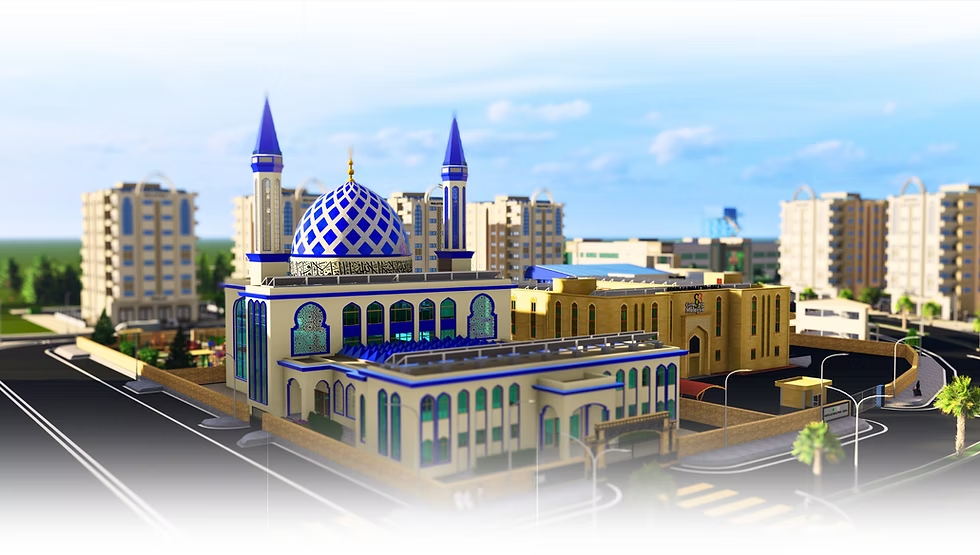
The concept of collective waqf has deep roots in Islamic history. Throughout the centuries, communities have come together to fund major projects that benefited entire societies. Mosques, schools, hospitals, and water systems were often established through the combined generosity of many individuals, each contributing according to their capacity. This collaborative approach not only achieved the necessary resources but also fostered a sense of shared ownership and community pride.
In today’s context, collective waqf remains one of the most powerful tools for social transformation. Let’s explore how communities can harness this power to create lasting, meaningful impact.
The Advantage of Pooling Resources
The primary advantage of collective waqf is simple mathematics: when many people contribute together, you can achieve goals that might be impossible for individuals to accomplish alone. A project that requires significant capital investment becomes feasible when ten, fifty, or a hundred people each contribute their part.
Consider a community that wants to establish a waqf for education—perhaps to build a library, provide scholarships, or fund teacher training programs. If each family contributes a modest amount, the combined resources create a substantial fund capable of transforming educational opportunities in that community.
This pooling effect is even more powerful over time. When the waqf generates returns or income, that income can be reinvested and compounded, multiplying the original contribution many times over. A collective waqf that starts with modest contributions can grow into a substantial institutional fund that sustains community programs for generations.
Building Stronger Communities
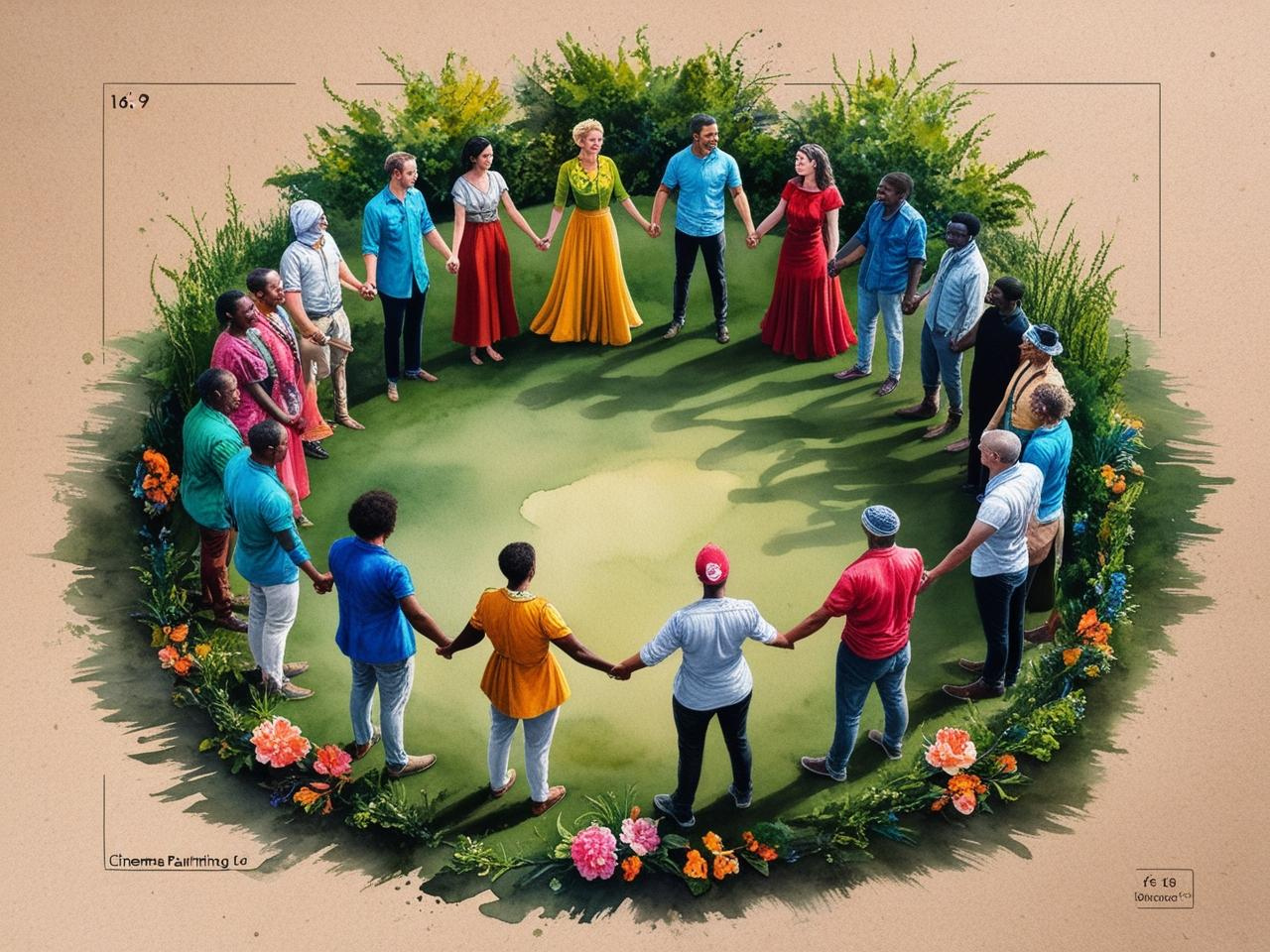
Beyond the financial advantage, collective waqf strengthens the social fabric of communities. When people work together toward a shared charitable goal, they develop deeper connections with one another. They move beyond being mere neighbors or fellow community members; they become partners in creating goodness.
This sense of partnership and shared purpose is increasingly valuable in modern societies where individualism can sometimes lead to social fragmentation. Collective waqf creates opportunities for people to interact around something meaningful, to discuss community needs, to make decisions together, and to celebrate their collective achievements.
Communities that establish collective waqf projects often report increased social cohesion, stronger interfamily connections, and a greater sense of collective responsibility. These social benefits extend beyond those directly involved in waqf management; the entire community benefits from the heightened sense of unity and shared purpose.
Different Models of Collective Waqf
There are various ways communities can organize collective waqf, each with different advantages:
Neighborhood-Based Waqf: Residents of a specific neighborhood pool resources to address local needs. This might include establishing a community center, youth programs, or local educational initiatives. The direct proximity allows for easier oversight and ensures that the waqf addresses actual community concerns.
Mosque-Based Waqf: Many mosques establish collective waqf funds where congregants contribute toward shared goals. The mosque’s existing structure and leadership make this an efficient way to organize and manage community waqf. Mosque-based waqf can support scholarships, community services, or facility improvements.
Workplace Waqf: Colleagues at a business or organization can establish waqf together. Some workplaces have established waqf funds where employees contribute a portion of profits or salary toward community benefit. This creates opportunities for colleagues to contribute to causes they care about.
Professional Association Waqf: Professional groups—teachers, healthcare workers, craftspeople—can establish waqf addressing needs within their field or community. For example, healthcare workers might establish waqf for medical assistance programs.
Online Community Waqf: In the digital age, people connected through online platforms and communities can establish waqf together. Platforms like nusantaracarpet.com which connect Muslim communities worldwide, have enabled people who may never meet physically to contribute toward shared goals and values.
Organizing and Managing Collective Waqf
Successful collective waqf requires good organization and management. Here are key considerations:
Clear Governance Structure: Define roles and responsibilities. Who will manage the funds? Who makes decisions about allocation? How will financial oversight be conducted? A clear structure prevents confusion and builds trust among contributors.
Transparent Communication: Regular updates about how the waqf is performing, how funds are being utilized, and what impact is being achieved. Transparency maintains contributor confidence and encourages continued participation.
Well-Defined Purpose: The goal and objectives of the waqf should be clear to all contributors. Vague or overly broad purposes can lead to disagreements about fund allocation.
Professional Management: For larger waqf funds, consider engaging professional managers or accountants. Their expertise ensures that funds are invested wisely and managed in accordance with Islamic principles.
Regular Contributor Engagement: Involve contributors in major decisions. Annual meetings or consultations help keep the community engaged and ensure that the waqf continues to reflect collective values.
Legal and Shariah Compliance: Work with legal professionals and Islamic scholars to ensure that the waqf is properly established and managed in accordance with both legal and Islamic principles.
Successful Collective Waqf Examples
Throughout the Muslim world, successful collective waqf projects demonstrate what becomes possible when communities unite. Some inspiring examples include:
Educational Waqf: Communities have collectively established schools, libraries, scholarship funds, and training centers. These institutions have educated generations of students who have gone on to contribute meaningfully to society.
Healthcare Waqf: Collective waqf has funded clinics, hospitals, medical aid programs, and health awareness initiatives. These have saved countless lives and improved community health outcomes.
Income-Generating Waqf: Some communities have collectively invested in businesses, rental properties, or agricultural land. The income generated continuously supports community programs without requiring additional donations.
Welfare Waqf: Collective waqf funds have provided ongoing support for widows, orphans, the elderly, and the poor. These funds create a sustainable safety net that respects the dignity of beneficiaries.
The Role of Leadership
Building community through collective waqf requires a strong, trusted leadership is crucial for collective waqf success. The leaders of the waqf project—whether they are mosque leaders, community elders, or elected representatives—must demonstrate integrity, transparency, and genuine commitment to the community’s welfare.
Good leaders communicate the vision clearly, involve community members in decision-making, address concerns openly, and ensure accountability. They also inspire others to contribute and participate, creating momentum that sustains the project over time.
Overcoming Challenges in Collective Waqf
Collective waqf does face certain challenges that communities should anticipate:
Disagreements About Priorities: Different community members may have different ideas about which needs are most important. Establishing clear decision-making processes and involving the community in priority-setting helps address this.
Sustainability of Participation: Initial enthusiasm may wane over time. Keeping the community engaged through regular communication, visible impact, and recognition of contributions helps maintain participation.
Management Complexity: Managing collective funds involves accounting, reporting, and decision-making. Investing in proper management systems and personnel reduces errors and maintains accountability.
Trust Issues: If transparency is lacking or if financial reports are unclear, trust can erode. Committing to excellent communication and professional management builds and maintains trust.
Scaling Your Collective Waqf
Many successful collective waqf projects have started small and grown significantly over time. The strategy for growth includes:
Start Simple: Begin with clear, achievable goals that demonstrate success. Early wins build confidence and encourage broader participation.
Build Track Record: Document and communicate your successes. Stories of real impact inspire people to contribute more and invite others to join.
Expand Gradually: As your resources grow and your management systems mature, you can take on more ambitious projects.
Create Multiple Initiatives: Rather than putting all resources into one project, some collective waqf initiatives establish multiple programs. This allows the community to address diverse needs and engage different segments of the community.
The Collective Waqf Movement
We are witnessing a growing collective waqf movement, particularly among younger Muslims and in diaspora communities. Young people are recognizing that through collective action, they can create meaningful social change without waiting for government initiatives or relying on large institutions.
This movement reflects both Islamic values and modern social consciousness. It demonstrates how traditional Islamic principles can address contemporary challenges through innovative applications.
A Call to Community Action
If you haven’t already, consider reaching out to your community members to discuss building a community through collective waqf. Start a conversation with your family, neighbors, mosque members, or colleagues about what issues your community cares about and what assets you collectively possess.
You may find that the people around you share your values and your desire to create positive change. Together, your combined resources, talents, and determination can accomplish far more than any of you could achieve alone.
Collective waqf represents one of Islam’s greatest gifts to humanity—a framework for channeling community resources toward shared good. By establishing collective waqf, you are not just creating a financial mechanism; you are building a stronger, more caring, more united community.
The power of collective waqf lies not just in the money or resources pooled, but in the unity, purpose, and shared commitment it creates. When communities come together for waqf, they experience the truth of the Prophet’s teaching that “the believer’s shade on the Day of Resurrection will be his charity.” That shade extends not just to individuals, but to entire communities bound together in goodness.