
The Role of Women in Establishing Waqf: Islamic Leadership and Legacy
Throughout Islamic history, women have been powerful forces in establishing and sustaining waqf endowments. Yet today, discussions about this topic are often overlooked. The truth is remarkable: Muslim women are uniquely positioned to create transformative charitable legacies through women establishing waqf initiatives. When we understand the Islamic foundations and practical possibilities, we discover that such leadership is not just permissible, it’s a powerful expression of Islamic faith.Islamic Foundations for Women Establishing Waqf
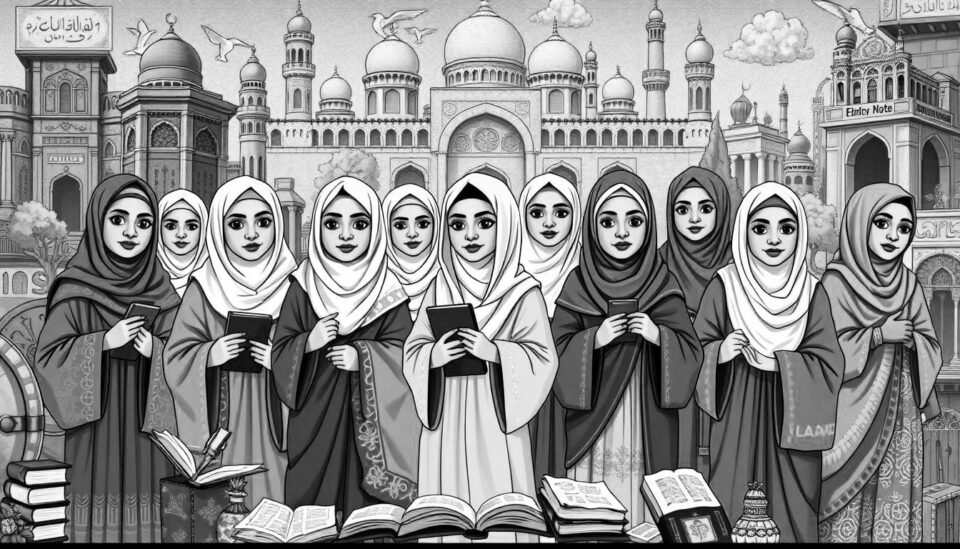
The Quran and Sunnah make clear that women have full rights to own property, conduct business, and make charitable decisions. The Prophet Muhammad’s (peace be upon him) first wife, Khadijah, was a successful businesswoman. His daughter Fatima participated in family decisions about charity and community support. Throughout Islamic history, female founders created some of the most significant community institutions. Women endowed schools, hospitals, water fountains, hostels, and libraries. These were not token contributions, they were substantial, transformative investments. For example, in medieval Cairo, Khawand Tatar, a woman of means, established a major waqf funding hospitals and educational institutions. Her endowment served the community for centuries. This is the historical precedent for such initiatives today.Why Women Establishing Waqf Matters Today
Several factors make now an ideal time for women establishing waqf: Financial Independence: More Muslim women than ever before have professional careers and financial resources. Many have accumulated wealth through business, employment, or inheritance. Community Leadership: Women lead mosques, nonprofits, educational institutions, and community organizations. They understand community needs intimately. Establishing endowments leverages this insight. Philanthropic Vision: Women often think systemically about community challenges. Such leadership can address root causes and create sustainable solutions. Legacy and Meaning: Muslim women seek meaningful ways to express their faith and values. Establishing endowments offers this profound opportunity.Unique Perspectives: Why Women Establishing Waqf Matters
Female leaders often prioritize different community needs than men might, creating more comprehensive solutions:Women’s Spaces and Inclusion
Women often notice what others overlook: neglected women’s prayer areas, inadequate support for pregnant women and mothers, insufficient spaces for women’s learning circles. Such leadership can directly address these gaps. One woman in a major U.S. mosque, observing that the women’s prayer area was literally a basement while men prayed in a beautiful main hall, established an endowment specifically for upgrading women’s spaces. Her initiative transformed the entire community’s commitment to inclusion.Childcare and Family Support
Women often recognize that community institutions need comprehensive family support, childcare during classes, nursing areas for mothers, family-friendly programming. Such initiatives can fund these essentials.Mental Health and Counseling
Muslim women often face unique challenges: domestic issues, cultural conflicts, identity questions. Women establishing waqf to support counseling and mental health services addresses real community needs.Education and Professional Development
Female leaders establishing endowments for Islamic education programs often emphasize women’s Islamic studies, professional skills development, and intergenerational mentoring.Models for Women Establishing Waqf
The Individual Woman Waqf Founder A successful professional woman, now in her 50s, decides to establish a waqf from her life savings. She wants to support women’s education. She contributes $100,000 to create a waqf generating approximately $3,000 annually for women’s Quranic study programs. Her reward continues for generations. The Collective Women’s Waqf Ten women friends, each contributing $5,000, pool resources to establish a $50,000 endowment for community health initiatives, mental health counseling, and preventative care for vulnerable families. Such collective efforts share the responsibility and the spiritual blessing. The Intergenerational Family Waqf A mother and her three adult daughters collaborate to establish a family waqf from inherited funds. Together they contribute $150,000 to support children’s Islamic learning spaces and education. The entire family becomes invested in their community’s spiritual development. The Professional Women’s Network Waqf A group of Muslim female professionals; doctors, lawyers, engineers, entrepreneurs, establish a waqf supporting scholarships for Muslim women pursuing STEM careers and Islamic knowledge simultaneously.Practical Steps: Women Establishing Waqf
Step 1: Identify Your Passion What community need keeps you up at night? What injustice do you see that others overlook? Your unique perspective as a woman gives you insight into gaps that need addressing. Women establishing waqf should start by identifying what truly matters to them. Step 2: Research and Learn Educate yourself about waqf structures. Read about different types of waqf and how they work. Connect with other female leaders or those considering this path. Understanding the mechanics builds your confidence. Step 3: Assess Your Financial Capacity You don’t need to be wealthy to establish an endowment. Even $25,000-$50,000 from thoughtful savings creates meaningful funding. Many female leaders establish such endowments by designating inheritances, bonuses, or accumulated savings for this purpose. Step 4: Consult Islamic Scholars Work with knowledgeable imams or Islamic lawyers to ensure your waqf structure complies with Islamic law and your local legal system. This isn’t burdensome, it strengthens your waqf’s legitimacy and longevity. Step 5: Develop Clear Documentation Female leaders should create thorough documentation specifying:- The waqf’s charitable purpose
- How capital will be invested
- How annual returns are distributed
- Governance structure
- Succession planning if you pass away
- How the waqf adapts to changing community needs
Real-World Example: The Fatima Foundation Waqf
Dr. Amira, a successful physician and mother of two, felt called to support vulnerable women in her community. Many immigrant women faced healthcare challenges due to language barriers, limited resources, and lack of cultural understanding. Rather than volunteering her time indefinitely, Dr. Amira decided to establish an endowment. She contributed $120,000 from her savings—funds she’d accumulated through disciplined saving and a modest inheritance. This model of female philanthropy funds:- Translation and cultural competency training for healthcare providers
- Community health education specifically for Muslim women
- Mental health counseling addressing trauma and adjustment challenges
- Emergency healthcare assistance for uninsured women and families
Addressing Concerns: Women Establishing Waqf
Concern: “I’m not sure if I have enough wealth to establish a waqf.” Many female leaders start smaller than they initially think. $25,000-$50,000 from multiple women, or accumulated savings from one woman, creates meaningful funding. The Quran reminds us that “it is not the eyes that are blind, but the hearts.” Don’t let perceived limitations stop you from establishing such endowments. Concern: “Will my family support this decision?” Frame such endowments as a family legacy. Many families are honored to be part of enduring charitable works. If your resources come from inheritance or family resources, involve family members in the process. Collective endowments strengthen family bonds. Concern: “Won’t people think I’m trying to show off?” Make your endowment about the work, not yourself. Many female leaders keep their role quiet, ensuring the focus stays on community benefit. Remember: your reward is with Allah, not dependent on community recognition.The Spiritual Dimension of Women Establishing Waqf
Islamic teaching emphasizes that women and men are spiritual equals. When establishing endowments, women aren’t seeking special status, they’re fulfilling their Islamic duty of providing for community welfare and seeking Allah’s pleasure. The Prophet Muhammad (peace be upon him) taught that the best charity is continuous charity that benefits others after death. When women establish such endowments, they’re embodying this principle perfectly. Financial contributions become fountains of blessing flowing indefinitely through communities.Catalyzing Broader Change: Women Establishing Waqf
History shows that female leaders establishing endowments often inspire broader community transformation. One woman’s initiative encourages others, both men and women, to think about their own charitable legacy. When communities see women successfully establishing endowments, they often establish complementary initiatives:- If a woman establishes an education endowment, men might establish a utilities waqf
- Female leaders establishing endowments for women’s spaces often inspire general facility improvement initiatives
- Female leaders establishing endowments for mental health services catalyze broader community health initiatives
Women Establishing Waqf: Addressing Succession and Legacy
Thoughtful female leaders create clear succession plans. Who will oversee the endowment after you pass away? Will it be a family member? A community leader? A nonprofit board? Clear succession ensures your legacy continues indefinitely. Many female philanthropists name trusted community members as successors, knowing that after their lifetime, the endowment continues providing benefits.The Modern Muslim Woman’s Philanthropy
Today’s female philanthropists have options their ancestors didn’t. Access to education, professional careers, and financial independence means women are building philanthropic legacies at unprecedented scales. Yet the Islamic principle remains unchanged: establishing endowments is about service, about love for community, about creating benefit that outlasts our lives.Resources for Women Establishing Waqf
Consider these related topics as you explore this topic:- The Simplicity of Starting Your Waqf Journey
- How to Effectively Manage a Waqf Project
- Women’s Philanthropy Institute for resources on female giving
- Different Types of Waqf and How to Choose
- Understanding the Spiritual Rewards of Continuous Charity
Conclusion: Your Legacy Awaits
Throughout Islamic history, women establishing waqf have shaped their communities and civilizations. They’ve funded schools that educated thousands, established hospitals that saved lives, created water systems that served centuries of people. Today, you have the opportunity to join that legacy. Whether you establish a major waqf or collaborate with other women establishing waqf collectively, you’re participating in one of Islam’s most honored traditions. Your wealth isn’t just about your lifetime. Your resources aren’t only for your family. When you commit to women establishing waqf, you transform your financial blessing into an eternal source of community benefit. The next waqf founder in your community could be you. The only question is: what will be your legacy?
Want to read more about mosque? Click here>>>
Or want to give infaq? There’s Infak.je.
For more info about carpets? Check out Nusantara Carpet.
Want to deepen your knowledge of religious lectures? Check out Ceramah Ringkas