
The Blessing of Creating Lasting Legacies Through Waqf
When creating lasting legacies In our journey through life, we are constantly reminded that this world is temporary. Our possessions, our status, our health—all are temporary blessings that will eventually pass. Yet there is one thing that can transcend this temporal existence: the legacy we leave behind. For Muslims, one of the most meaningful ways to create a lasting legacy is through waqf, the Islamic institution of charitable endowment.
Waqf is more than a financial transaction or a legal arrangement. It is a profound expression of faith, a demonstration of our understanding that true wealth lies not in what we accumulate, but in what we contribute to the benefit of others. It is a reflection of our belief that life continues beyond our own existence and that we have a responsibility to those who come after us.
Understanding the Concept of Legacy in Islam
In Islamic tradition, legacy is deeply valued. The Prophet Muhammad taught that when a person dies, their deeds end except for three things: charity that continues (which includes waqf), knowledge that benefits others, and righteous children who pray for them. This teaching fundamentally shapes how Muslims view their time on earth—not as an isolated experience, but as part of a continuous chain of goodness that extends into the future.
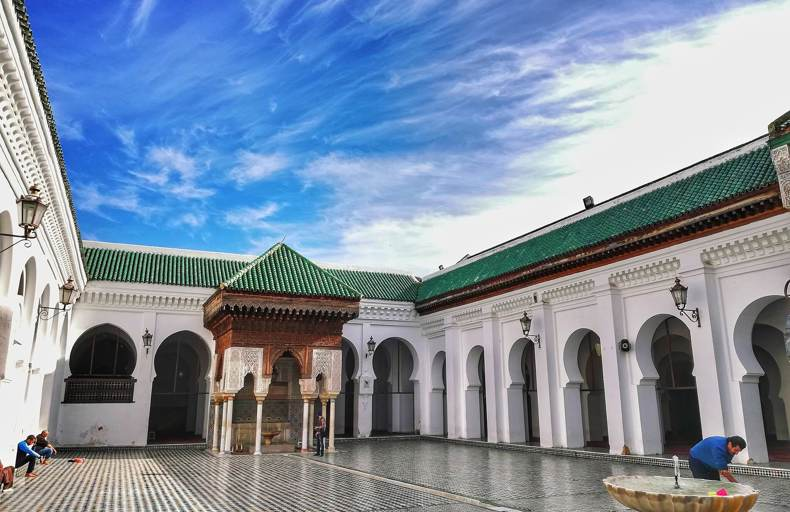
Throughout Islamic history, we see countless examples of leaders, scholars, merchants, and ordinary people who established waqfs that continued to serve communities for centuries which results to them successfully creating lasting legacies. Libraries that preserved knowledge, hospitals that healed the sick, schools that educated generations, water systems that provided for communities—all were sustained through the vision and generosity of those who understood the power of waqf.
These historical examples are not merely stories of the past. They are reminders of what is possible when individuals commit their resources toward lasting benefit. They demonstrate that our choices today can influence the lives of people we will never meet, in times we will never see.
The Spiritual Dimension of Leaving a Legacy
At its core, establishing a waqf is an act of deep faith. It requires us to believe that our contribution will be managed wisely, that it will serve its intended purpose, and that it will continue to benefit communities long after we are gone. This faith is rewarded in the Islamic tradition with continuous spiritual reward—a form of charity that never ceases.
The Prophet Muhammad described waqf as one of the most blessed forms of giving. He explained that while other charitable acts end once they are performed, waqf creates an ongoing stream of goodness. Every person who benefits from your waqf, every child educated through it, every patient healed in a hospital supported by it—all of these continuing benefits are credited to your account in the sight of God.
This is a humbling and inspiring reality. It means that if you establish a waqf today, you could be earning rewards for decades or even centuries after your death. Your legacy becomes a living, breathing force for good in the world.
The Personal Transformation That Comes With Waqf
Establishing a waqf also transforms the donor personally. It requires reflection on what truly matters, what values we want to be remembered for, and what kind of impact we want to have on the world. In a society that often emphasizes material accumulation and personal gain, waqf represents a counter-cultural choice to prioritize collective benefit and spiritual growth.
When we commit resources to waqf, we are essentially saying: “I trust that my contribution will serve a purpose greater than my own immediate needs or desires. I believe in the continuity of good deeds. I want my wealth to become a blessing for others.”
This mindset shift is transformative. It elevates our perspective from the short-term to the long-term, from the individual to the collective, from the material to the spiritual. Many donors report that establishing a waqf gave them a sense of peace and purpose that they had never experienced before.
Types of Legacies We Can Create Through Waqf
Waqf is flexible and can take many forms. Understanding the different types of legacies we can create helps us envision what kind of lasting impact we want to have:
- Educational Legacies: Establishing waqfs for scholarships, schools, or learning centers that enable future generations to access knowledge.
- Healthcare Legacies: Creating endowments that support medical facilities, health education, or care for the sick and vulnerable.
- Spiritual Legacies: Funding mosques, religious education programs, or initiatives that preserve and transmit Islamic knowledge.
- Community Legacies: Supporting social services, orphanages, or community development projects that address collective needs.
- Environmental Legacies: Establishing waqfs that protect natural resources, support sustainable practices, or ensure clean water and air for communities.
- Knowledge Legacies: Funding libraries, research initiatives, or cultural institutions that preserve and advance human knowledge.
The diversity of possible legacies means that every individual, regardless of their resources or background, can find a meaningful way to contribute through waqf.
Breaking Cycles of Generational Poverty
One of the most profound impacts of waqf is its potential to break cycles of poverty and inequality. While traditional charity provides temporary relief, waqf creates sustainable solutions. A waqf that provides education can lift multiple generations out of poverty. A waqf that supports income-generating activities creates ongoing employment and economic opportunity.
This is why establishing waqf is not just an act of charity—it is an investment in justice and human dignity. It recognizes that true solutions to social problems require long-term commitment and systemic change, not just momentary gestures.
Waqf as a Statement of Values
Every waqf we establish is a statement about what we value. It says: “This cause matters. This community matters. Future generations matter.” When we choose to establish a waqf for education, we are voting for the power of knowledge. We establish a waqf for healthcare, we are affirming the dignity of human life. To establish a waqf for the environment, declaring our responsibility as stewards of creation.
Our descendants and the communities we serve will remember what we chose to support. They will know what values guided our lives. In this way, waqf becomes not just a material legacy, but a moral and spiritual one as well.
The Joy of Witnessing Impact
While some waqfs continue to serve communities after the donor’s death, many donors have the blessed opportunity to witness their waqf in action during their lifetime. This can be an extraordinary source of joy and fulfillment. Seeing students graduate from a school you funded, visiting a clinic that serves the sick through your resources, or learning about the lives changed through your waqf—these experiences connect us to something larger than ourselves.
Many waqf donors describe these moments as among the most meaningful of their lives. The joy is not merely personal satisfaction, but the deep spiritual fulfillment that comes from knowing that you have genuinely helped others.
Addressing Common Hesitations About Waqf
Despite the beauty and benefits of waqf, some people hesitate to establish one. Common concerns when creating lasting legacies include worry about mismanagement, uncertainty about how to proceed, or doubt about whether their contribution is significant enough. These hesitations are understandable, but they need not prevent us from acting.
Today, many established organizations specialize in managing waqfs professionally, with transparent reporting and accountability structures. Additionally, waqf can be as small or as large as one’s resources allow—every contribution matters. By starting the process and addressing our concerns through education and careful planning, we can move from hesitation to action.
Beginning Your Own Waqf Legacy
For those inspired to establish a waqf, the journey typically involves these steps:
- Identify your passion and values: What cause speaks to your heart? What kind of impact do you want to have?
- Research opportunities: Look into existing organizations or identify community needs in your chosen area.
- Learn about management options: Understand how your waqf will be governed and managed over time.
- Determine the form of your contribution: Will you contribute money, property, investments, or skills?
- Seek guidance: Consult with Islamic scholars and legal experts to ensure your waqf complies with Shariah principles.
- Take action: Formalize your waqf through proper legal and religious channels.
- Monitor and support: Stay involved, receive updates, and continue to advocate for your waqf’s success.
The Ripple Effects of Generosity
One of the most beautiful aspects of waqf is that its impact often extends far beyond what was originally intended. A scholarship that enables a student to pursue education might result in that student becoming a doctor who serves thousands. A small business loan funded through waqf might help someone start an enterprise that creates jobs for others. An orphan supported through waqf might grow up to become a community leader who helps many others.
These ripple effects mean that we rarely know the full extent of our waqf’s impact. We plant seeds, and the harvest may include blessings we never anticipated.
Your Lasting Legacy Awaits
Life is precious and finite, but the legacy we create can be eternal. Through waqf, we have the extraordinary opportunity to transcend the limitations of our individual lifespans and contribute to the welfare of communities for generations to come. This is not merely an investment when creating lasting legacies in others—it is an investment in our own spiritual growth and our place in the eternal chain of Islamic goodness.
As you reflect on your life and your values, consider: What legacy do you want to leave behind? What cause would bring you joy to support perpetually? What difference do you want to make in the world that extends beyond your years? These questions are not merely philosophical—they are invitations to action. They are calls to join the great tradition of waqf and become a creator of lasting legacy.
The time to act is now. Your waqf awaits. Your legacy awaits. And countless people whose names you will never know, in times you will never see, await the blessing of your generosity.