

Understanding the Spiritual Rewards of Continuous Charity (Waqf)
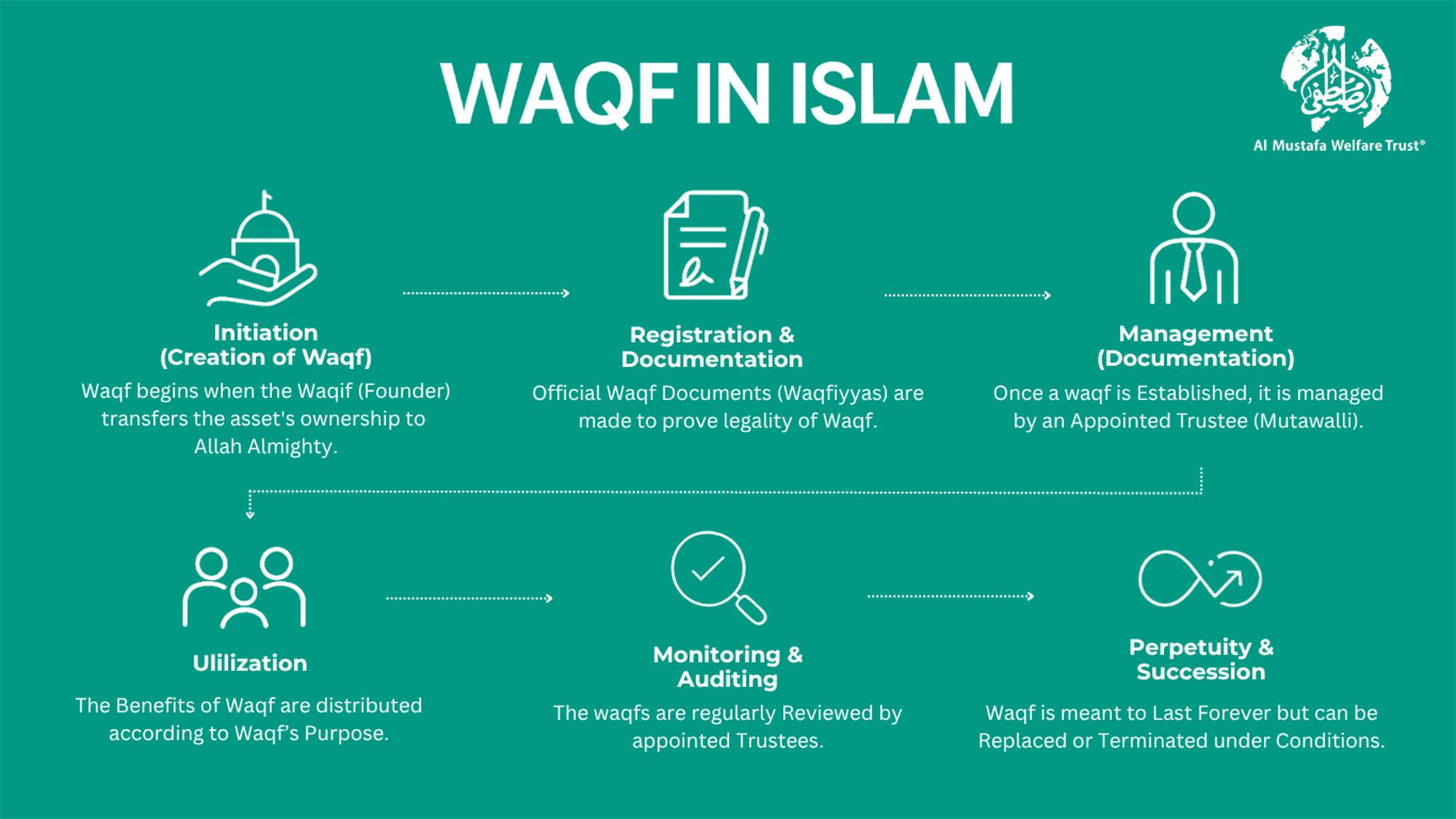
One of the most profound teachings in Islamic tradition concerns the nature of charity and reward. While generous giving is always valued, there is a special category of charity that continues to bear fruit long after the initial act of giving has taken place. This is the concept of waqf—and understanding its spiritual rewards can transform how we think about our relationship with wealth, community, and the divine.
The Prophet Muhammad, peace be upon him, taught that when a person dies, their deeds cease except in three cases: a continuing charity (waqf), knowledge that benefits others, and righteous children who pray for them. Among these three exceptions, waqf occupies a unique place because it is a charity that can deliberately be structured to continue indefinitely, generating rewards for decades, centuries, or even longer.
For many believers, the realization that charity can continue generating rewards after death transforms their understanding of generosity and legacy. It moves them from thinking about charity as a temporary act to viewing it as a permanent investment in goodness.
The Unique Nature of Waqf Rewards
In Islamic jurisprudence and theology, the rewards of waqf are understood to work in a specific way. When you establish a waqf—whether for education, healthcare, orphan support, or community benefit—you create a perpetual charitable act. Every time someone benefits from your waqf, every prayer offered in a mosque you’ve funded, every student educated through your endowment, every patient treated in a clinic you’ve supported—all of these activities constitute ongoing charity, and all of them contribute to your spiritual account.
This is profoundly different from a one-time donation. If you give $100 to a person in need, you receive the reward of that act. The action is complete. But if you establish a waqf that provides $100 in benefit to someone every month indefinitely, your original act of establishing the waqf continues to generate rewards perpetually.
This understanding has inspired Muslims throughout history to establish waqfs. Wealthy merchants would establish commercial waqfs, with business profits supporting charitable causes. Scholars would establish educational waqfs, ensuring that knowledge continued to be transmitted. Rulers would establish community waqfs that provided for orphans, the ill, and the poor. In each case, the motivation was rooted in the belief that their generosity would continue blessing humanity long after they were gone.
The Mathematics of Eternal Reward
When understanding the spiritual rewards, we should consider the spiritual mathematics of waqf: If you establish a waqf today that continues for fifty years after your death, you are not earning reward for fifty years of work—you are earning reward for one hundred years or more. If your waqf continues for two centuries, your reward multiplies accordingly. And if your waqf eventually continues indefinitely (a genuine possibility with well-managed endowments), your reward becomes infinite.
This is not mere speculation. The Islamic tradition teaches that actions with perpetual benefit continue to generate perpetual reward. The Prophet illustrated this principle with the example of one of the most important waqfs: knowledge. When a scholar dies, their teaching legacy continues benefiting people for generations. Those benefits constitute continuous charity on their record.
The same principle applies to any waqf—whether for mosques, schools, hospitals, water systems, or social services. The benefit continues, and so does the reward.
Spiritual Humility and Trust in Divine Provision
Understanding the spiritual rewards involves establishing a waqf requires a particular form of spiritual maturity and humility. When you give a one-time donation, you know exactly what you’re giving and to whom. But when you establish a waqf, you are entrusting your assets to others and to the future. You must trust that the waqf will be managed well, that it will continue to serve its intended purpose, and that your vision will be honored generations after you are gone.
This trust is itself an act of worship. It reflects a belief that God is the ultimate guardian of our charity, that He sees what we intend, and that He will ensure our generosity bears fruit even when we cannot personally oversee it. It reflects humility about our own limitations—we cannot be present forever to direct every act of giving, but through waqf, we extend our generosity across time.
The Reward of Intention
In Islamic teaching, intentions are paramount. The Prophet said, “Actions are judged by intentions; every person will have what they intended.” This principle applies powerfully to waqf.
When you establish a waqf with the sincere intention of serving God and benefiting humanity, that intention is part of your deed. You are not just giving assets; you are making a conscious decision to create perpetual benefit. This intention itself is rewarded, independent of how the waqf actually performs or how the community ultimately uses it.
Of course, this doesn’t mean intentions alone are sufficient. Waqfs should be established wisely, with clear purpose and proper management. But it does mean that your sincere effort to create lasting good is itself recognized and rewarded by God, regardless of external outcomes.
Waqf as an Expression of Faith
Waqf also expresses a particular form of faith. When you establish a waqf, you are essentially saying: “I believe that benefit continues beyond this life. I believe my contribution matters eternally. I believe that God recognizes and rewards enduring goodness.” This declaration of faith is itself spiritually powerful.
Throughout Islamic history, establishing waqf has been seen as a sign of spiritual maturity and deep faith. It requires moving beyond the immediate and the material to embrace a longer temporal and spiritual vision. It requires confidence that what matters most is not what we accumulate in our lifetime, but what we leave behind as a blessing for others.
The Purification of Wealth Through Waqf
Islamic teaching emphasizes that wealth is a trust from God. We are stewards, not ultimate owners. This creates an obligation to use wealth for good. Waqf is one of the most powerful ways to fulfill this obligation.
When you establish a waqf, you are essentially saying that this portion of your wealth is no longer “yours” in the conventional sense—it belongs to God and to the purposes it serves. This act of releasing material possession for the greater good has a purifying effect on the soul. It reduces attachment to wealth and increases connection to transcendent values.
Many people report that establishing a waqf profoundly changes their relationship with money. Rather than viewing wealth primarily as a means to personal comfort, they begin to see it as a tool for creating lasting benefit. This shift in perspective is itself a significant spiritual development.
The Communal Dimension of Waqf Reward
Another beautiful aspect of waqf is that its rewards are communal. Your waqf benefits others, and those benefits continue indefinitely. This creates a unique form of reward that isn’t purely individual but involves the whole community.
Consider a waqf for orphan support. The initial donor receives the reward of the charitable act, but so does everyone involved in administering and distributing the waqf. The people who care for the orphans, the donors who add to the waqf over time, the community members who benefit from the stability and confidence that comes from knowing orphans are supported—all of them participate in the rewards to some degree.
This communal dimension reflects Islamic values about interconnectedness. It shows that reward isn’t always an individual matter—it’s about how we collectively build a society rooted in justice and mutual care.
Waqf and the Question of Legacy
Humans have always been concerned with legacy. We want to be remembered. We want our lives to have meant something that outlasts us. Waqf addresses this deep human concern in a spiritually profound way.
Rather than seeking legacy through monuments or fame, waqf creates a legacy through perpetual benefit. You will be remembered not through your name carved in stone, but through the ongoing good your charity creates. Every person educated in a school you funded, every patient healed in a clinic you established, every family supported by your endowment—these are your legacy. And these legacies will multiply and extend in ways you cannot imagine.
Teachings on Waqf From Islamic Scholars
For us to gain an understanding of the spiritual rewards Throughout Islamic history, great scholars have emphasized the importance of waqf. The renowned jurist Ibn Qudama wrote extensively about waqf and its spiritual rewards. Islamic scholars have consistently taught that establishing waqf is one of the most virtuous forms of charity precisely because of its perpetual nature.
Many scholars have taught that establishing waqf is particularly important for those with significant resources. If you have been blessed with wealth, waqf is an exceptional way to ensure that your wealth creates lasting benefit rather than disappearing after your death.
Practical Steps to Begin Your Waqf Journey
If the teachings about waqf reward inspire you to establish your own, consider these steps:
- Reflect on your values: What causes matter most to you? What kind of lasting impact would be meaningful?
- Pray for guidance: Make dua (supplication) asking God to guide you toward the right waqf for you.
- Learn more: Study the Islamic principles of waqf to deepen your understanding.
- Consult with scholars and experts: Seek guidance from Islamic scholars and professionals experienced in waqf.
- Start small if needed: You don’t need tremendous resources to establish a meaningful waqf.
- Take action: Don’t let hesitation prevent you from acting. Begin your waqf journey.
The Eternal Nature of Waqf Reward
One of the most inspiring teachings about waqf is that its rewards are not bounded by time. Unlike most deeds that are completed and then finished, waqf creates an ongoing stream of reward that theoretically continues eternally. This means that a waqf established today could be generating reward for the giver not just for decades or centuries, but indefinitely.
This eternal dimension transforms waqf from a financial transaction into a spiritual act of profound significance. It connects us to something transcendent—the understanding that goodness can endure beyond our lifetime, that benefit can continue for generations we will never meet, and that our generosity can become part of the eternal fabric of human goodness.
The Spiritual Awakening of Waqf
Understanding the spiritual rewards of waqf can awaken us to new possibilities. It can transform how we think about wealth, purpose, and legacy. Rather than seeing our resources as instruments for personal gain, we can see them as tools for creating perpetual benefit.
The Prophet Muhammad’s teaching that charity continues after death through waqf is not merely a promise of reward—it is an invitation to participate in something eternal. It invites us to join a tradition spanning centuries of Muslims who have used waqf to serve humanity, build civilization, and create lasting legacies of goodness.
If your heart has been moved by this teaching, trust that feeling. It may be an invitation from God to begin your own waqf journey. The rewards await—not just in this life, but in the eternal life to come. Your waqf can be your gift to humanity, your investment in eternity, and your answer to the call of generosity that echoes through Islamic teaching.