
Waqf for Beautiful Spaces: How Quality Environments Support Community Learning
When we think about waqf, many of us immediately picture donations of money or land. However, one of the most overlooked yet powerful forms of waqf is the contribution of quality materials and resources that create beautiful, comfortable, and conducive spaces for learning and worship. The physical environment in which we gather, pray, study, and connect with our community has a profound impact on our spiritual experience and educational outcomes.
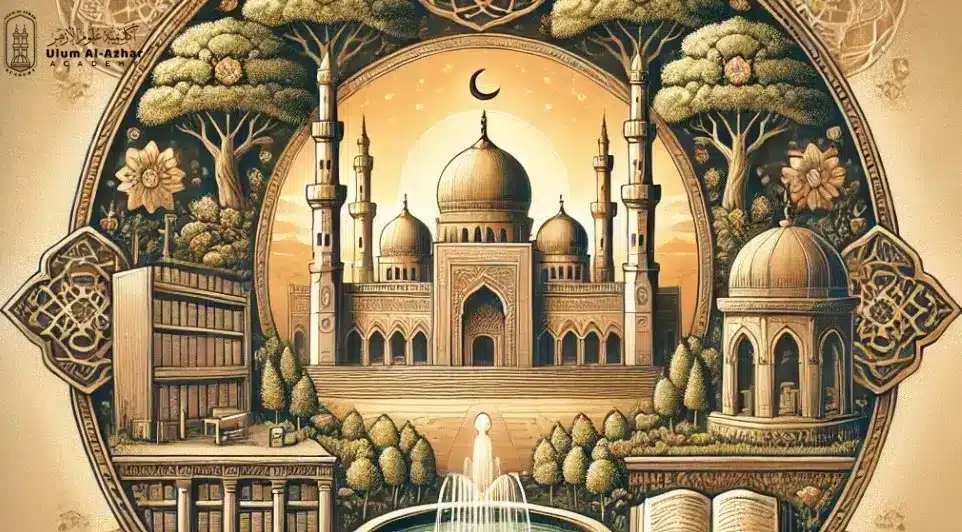
Throughout Islamic history, great emphasis has been placed on creating beautiful spaces for worship and learning. Mosques were adorned with intricate designs, libraries were furnished with care, and educational institutions were built with attention to aesthetics and comfort. These physical spaces were not vanities—they were investments in the human experience, recognizing that our surroundings influence our state of mind, our receptiveness to knowledge, and our connection to faith.
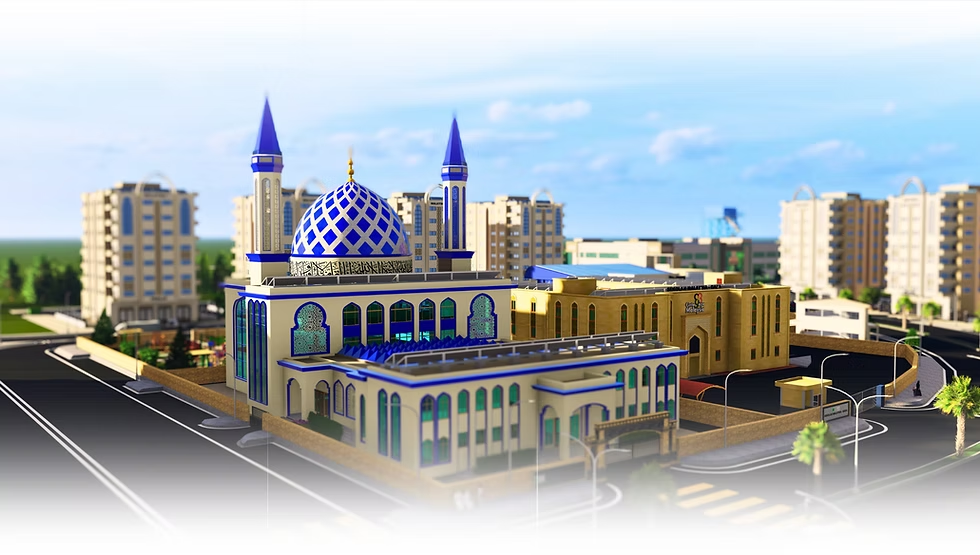
Today, many community spaces, mosques, and Islamic centers face challenges in maintaining beautiful, well-appointed environments. Carpeting, furnishings, and décor often deteriorate due to heavy use and limited budgets. This is where a modern form of waqf—contributing quality materials and resources—can make a significant difference. By providing durable, beautiful carpeting and furnishings through waqf, donors can ensure that community spaces remain welcoming, dignified, and conducive to learning for generations to come.
The Spiritual Significance of Beautiful Community Spaces
In Islamic tradition, cleanliness and beauty are considered forms of worship and respect. The Prophet Muhammad (peace be upon him) emphasized the importance of maintaining clean and pleasant surroundings. When we extend this principle to community spaces, we recognize that investing in quality furnishings and materials is not merely aesthetic—it is an act of spiritual devotion.
A beautifully maintained mosque or learning center with quality carpeting encourages people to attend, participate more actively, and feel a sense of belonging. Children studying in comfortable, well-furnished classrooms are more likely to focus on their lessons. Worshippers praying in a dignified space feel more connected to their faith. The physical environment becomes an extension of our values and commitment to excellence.
This is particularly important in Muslim-majority countries like those in Southeast Asia, where community spaces often serve multiple functions—prayer, education, gatherings, and social events. The quality of these spaces directly reflects the care and respect the community places on its institutions and shared identity.
Creating Lasting Impact Through Quality Waqf Materials
One practical example of this modern waqf is contributing high-quality carpeting to mosques and Islamic centers. Carpets are essential in Islamic spaces—they are used for prayer, create a sense of dignity and beauty, and require regular maintenance. A well-managed waqf that provides durable, beautiful carpeting ensures that these spaces remain welcoming and functional for decades.
Companies like Nusantara Carpet understand the importance of quality materials in community spaces. By sourcing Islamic-appropriate designs and durable carpeting, they help ensure that when mosques and centers receive these contributions, they are receiving materials built to last and designed with respect for Islamic aesthetics.
When donors contribute through waqf programs that provide such materials, they are making a long-term investment. The carpet may last for five, ten, or even fifteen years depending on usage and maintenance. Throughout this entire period, every prayer offered on that carpet, every student who studies in that space, and every community gathering that occurs contributes to the ongoing rewards of the waqf.
The Broader Ecosystem of Community-Focused Waqf
Beyond carpeting, community spaces require various resources: furniture, lighting, heating or cooling systems, decorative elements, and maintenance supplies. By establishing waqf programs focused on these materials, communities can ensure their spaces remain dignified and functional.
This approach also supports local businesses and suppliers who provide quality goods. When waqf contributions are directed toward local manufacturers and quality providers, it strengthens the community’s economic ecosystem while ensuring standards are maintained. This creates a virtuous cycle where quality contributes to reputation, reputation attracts more support, and more support enables continued excellence.
Evaluating Quality in Community Space Waqf
When considering contributing to waqf focused on community spaces and materials, it is important to evaluate several factors:
- Durability: Will the materials withstand regular use and last for many years?
- Aesthetic Appropriateness: Do the designs and materials align with Islamic values and community preferences?
- Maintenance Requirements: Are the materials practical to clean and maintain over time?
- Supplier Reputation: Does the supplier have a track record of quality and reliability?
- Community Input: Have the community leaders and members been consulted about their needs and preferences?
Quality suppliers who specialize in Islamic community spaces understand these considerations. They work with communities to select materials that are not only beautiful but also practical for long-term use.
The Prophet’s Teaching on Excellence
The concept of striving for excellence is deeply embedded in Islamic teaching. The Prophet Muhammad said, “Verily, Allah has prescribed excellence in all things.” This extends to our charitable contributions and community investments. When we contribute to waqf, we are not simply giving away surplus—we are expressing our commitment to excellence and our respect for the spaces where our community gathers.
A waqf that provides quality materials demonstrates this principle in action. It shows that the community values excellence, that worship spaces deserve the best we can offer, and that every detail—from the beauty of the carpeting to the comfort of the furnishings—reflects our faith and our dedication to serving others.
Practical Steps to Establish Material-Based Waqf Programs
For those interested in establishing or contributing to waqf programs focused on community spaces:
- Partner with local mosques or centers: Identify institutions that have expressed needs for upgraded furnishings or materials.
- Work with quality suppliers: Establish relationships with reputable suppliers who understand the specific needs of Islamic community spaces.
- Create a management structure: Develop clear procedures for how materials will be selected, delivered, installed, and maintained.
- Document the impact: Keep records of installations, usage, and community feedback to demonstrate the waqf’s effectiveness.
- Plan for sustainability: Consider how the waqf will be maintained over time and how future replacements will be funded.
The Ongoing Rewards of Community-Focused Waqf
One of the most beautiful aspects of waqf is that the rewards continue long after the initial contribution. If you contribute quality carpeting to a mosque through waqf, your rewards continue every time someone prays on that carpet. If you contribute furnishings to a learning center, your rewards continue with every lesson taught and every student educated in that space.
This makes material-based waqf particularly rewarding because the impact is tangible and ongoing. You can visit the space, see your contribution at work, and witness directly how it supports your community.
Building a Culture of Excellence in Our Communities
When communities commit to maintaining beautiful, high-quality spaces through waqf, they send a powerful message about their values. They demonstrate that excellence is important, that community institutions deserve investment, and that long-term thinking matters.
This cultural shift can have ripple effects. When young people grow up in well-maintained, beautiful community spaces, they internalize the message that their community cares. This can inspire them to contribute their own talents and resources when they are older. When visitors see beautiful, well-maintained Islamic spaces, they gain respect for the community and its institutions.
Quality Materials as a Form of Waqf
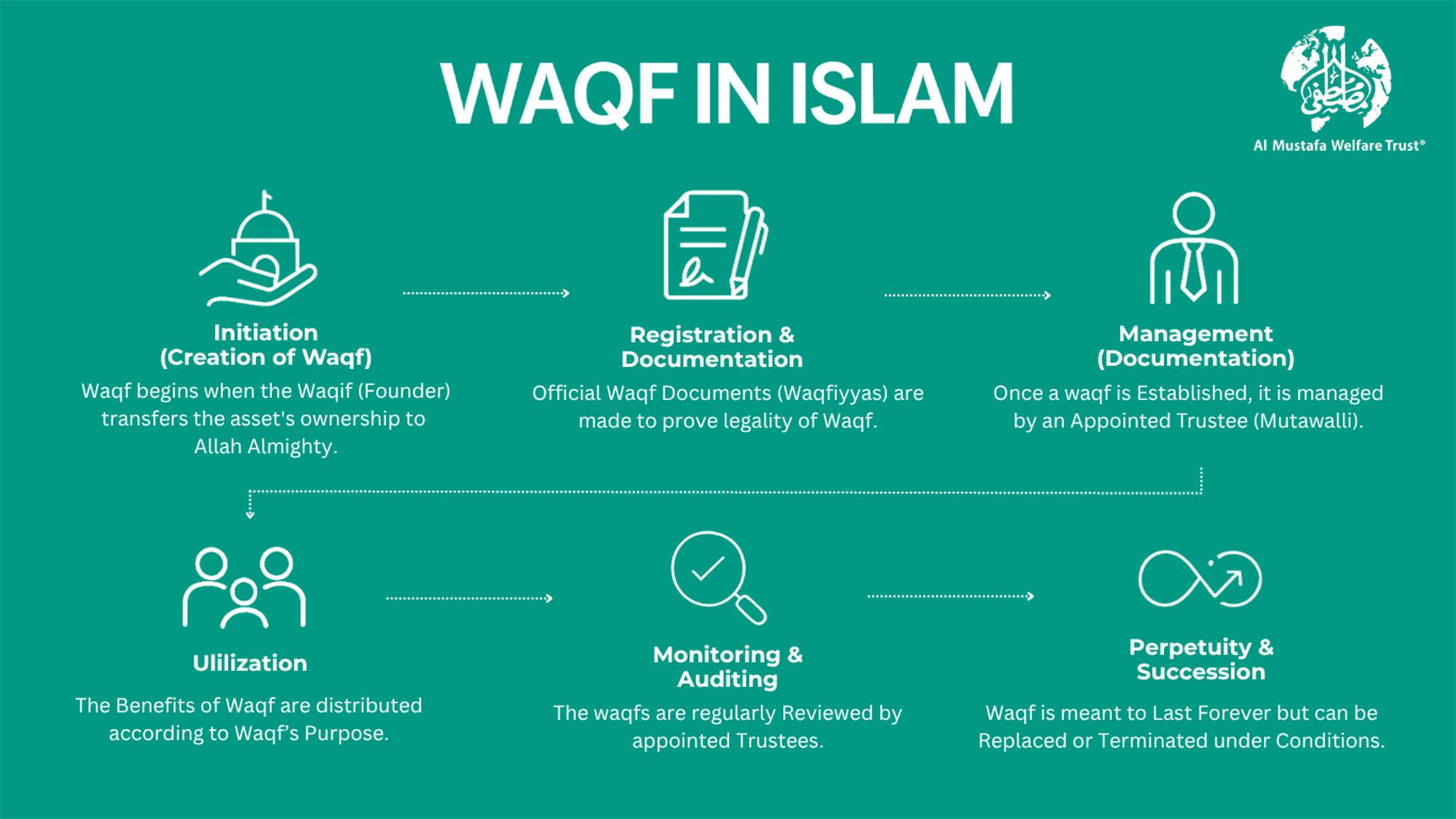
Waqf is not limited to grand gestures or massive sums of money. It includes every meaningful contribution to long-term community benefit. By recognizing that quality materials and beautiful spaces support learning, worship, and community connection, we expand our understanding of how waqf can be implemented in modern times.
Whether through partnership with quality suppliers like Nusantara Carpet or through other material contributions, donors can create lasting legacies that impact their communities for years to come. In doing so, they fulfill the true spirit of waqf—creating continuous benefit that extends far beyond their own lifetime, supporting the physical spaces where their communities pray, learn, and grow together.