

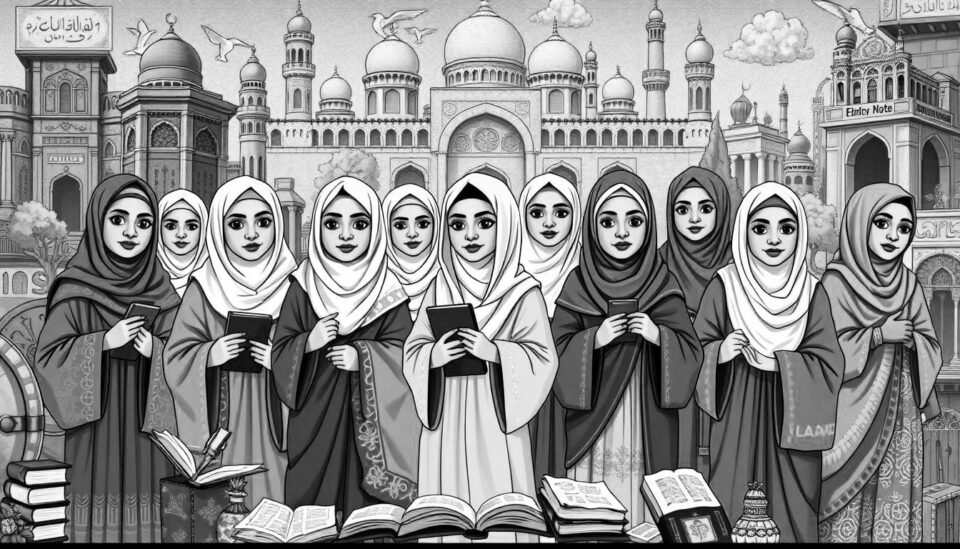
Creating Inclusive Spaces, The Neglected Women’s Prayer Areas That Deserve Better
Many mosques neglect their women’s prayer areas, but quality women’s prayer areas are essential to an inclusive community. Walk into many mosques and you’ll notice something troubling. The main prayer hall—where the imam leads and most of the community gathers—is beautiful, well-lit, and well-maintained. But venture to the women’s prayer areas, and the experience often shifts dramatically. The space may be smaller, darker, less comfortable, and noticeably less maintained.
This disparity is not merely a practical issue. It’s a spiritual and ethical one. It communicates a message about who is valued in the community, and it contradicts the Islamic principle that women’s worship is as sacred and important as men’s. When women’s prayer areas are neglected, the entire community suffers spiritually.
Improving Women’s Prayer Areas: Islamic Foundations
The Quran and the Sunnah are clear: women have full rights to worship in the mosque. The Prophet Muhammad (peace be upon him) taught that “the best prayer of a woman is in her house,” but he also said women should not be prevented from coming to the mosque. Many of the Prophet’s companions’ wives were regular attendees at congregational prayers.
Women have always been part of the Muslim community’s worship life. They come to pray, to learn, to be part of their community. Yet the physical spaces often don’t reflect this reality.
When a mosque’s women’s prayer area is neglected—with worn carpets, dim lighting, inadequate heating or cooling, cramped space, or outdated furnishings—it sends a subtle but powerful message: “Your worship is less important. Your presence is tolerated, not celebrated.”
This is a failure of community care, and it’s preventable.
The Impact of Physical Space on Spiritual Experience
Research in environmental psychology confirms what we intuitively understand: physical space profoundly affects our experience and emotional state. When we enter a beautiful, well-maintained space, we feel respected and valued. When we enter a neglected space, we feel diminished, even if unconsciously.
For women worshipping in a neglected space, this effect is intensified. They may feel:
- That their worship is secondary to men’s
- That they’re not truly welcome
- That the community doesn’t value them
- Reluctant to invite other women to visit
- Discouraged from regular attendance
Children who grow up in these spaces internalize these messages. Young girls may develop complicated feelings about their place in the mosque community, even though Islamic teaching affirms their full spiritual equality.
In contrast, when women’s prayer areas are beautiful, comfortable, and well-appointed with quality furnishings and carpeting, women feel honored. They’re more likely to come regularly, to bring their children, to invite friends. The entire community benefits from their fuller participation. Establishing a waqf for women’s prayer areas is one of the most meaningful investments a community can make. See how other mosques are creating beautiful mosque spaces for all community members.
Quality Furnishings as a Statement of Value
One concrete way to communicate respect and care is through quality furnishings and carpeting. Prayer carpets, in particular, are foundational to the prayer experience. They should be:
- Clean and well-maintained
- Aesthetically pleasing
- Comfortable to sit on before and after prayer
- Replaced regularly before they become worn
- Chosen with sensitivity to Islamic aesthetics and values
Yet many women’s prayer areas have carpets that are worn, stained, or neglected compared to those in the main prayer hall. This sends exactly the wrong message.
Suppliers like Nusantara Carpet specialize in quality Islamic prayer furnishings that can be used to create beautiful, dignified prayer spaces. When a community invests in quality carpeting and furnishings for women’s prayer areas—matching or exceeding the quality in other areas—it demonstrates genuine commitment to inclusivity.
A Waqf for Dignified Women’s Prayer Areas
One powerful approach is to establish a waqf specifically dedicated to maintaining and enhancing women’s prayer areas. This waqf would fund:
- Regular replacement of prayer carpets
- Maintenance and repair of furnishings
- Lighting upgrades
- Climate control improvements
- Decoration and beautification
- Cleaning and upkeep
By establishing this waqf, the community makes a permanent statement: “We honor women’s worship. We commit to maintaining beautiful spaces for our sisters in faith.”
Creating True Community Through Inclusion
Islamic community—ummah—encompasses everyone. When all members feel valued and respected in community spaces, the entire community is strengthened. Women who feel welcomed and honored in the mosque are more engaged, more likely to participate in community programs, more likely to bring their families.
This isn’t just about comfort. It’s about belonging. It’s about the message the physical environment communicates about who belongs in this community.
Practical Steps for Communities
If you’ve noticed disparities in your mosque’s spaces, consider taking these steps:
- Observe and assess: Spend time in both main prayer areas and women’s areas. What differences do you notice?
- Talk to the women: Ask them directly about their experience. What would make them feel more welcome and valued?
- Engage leadership: Bring these observations to the imam and mosque board. Frame this as both a spiritual and community development issue.
- Propose solutions: Suggest a plan to upgrade women’s prayer areas. Include quality carpeting, lighting, climate control, and aesthetic improvements.
- Establish a waqf: Organize community members to establish a waqf dedicated to maintaining these spaces permanently.
- Involve women in decision-making: Give women a voice in how their spaces are designed and maintained. They know best what they need.
Inclusion as Islamic Practice
Islam teaches that men and women are spiritual equals before Allah. They’re equal in reward for good deeds. They both have the right to worship, to learn, to participate in community life.
Creating beautiful, well-maintained, inclusive prayer spaces isn’t a luxury or a concession. It’s an implementation of Islamic teachings about dignity, respect, and community care.
Reflection: What Message Are Your Spaces Sending?
Take a moment to think about the prayer spaces in your mosque. Are they equally beautiful? Do women feel as welcomed and honored as men? If improvements are needed, what’s stopping your community from making them?
Sometimes all it takes is one person noticing, one person caring enough to speak up, and one person willing to take action.
Conclusion: Honor Those Who Honor Allah
Women who come to the mosque are engaged in the highest spiritual activity—worship of the Almighty. They deserve spaces that reflect the sanctity of that act. They deserve to feel honored, welcomed, and valued.
By creating beautiful, well-maintained women’s prayer areas through thoughtful investments in quality furnishings and waqf structures, communities demonstrate that they truly believe women’s worship matters. They show that they understand Islam’s teaching about spiritual equality. They create spaces where women and girls internalize messages of belonging and worth.
This is more than a facility improvement. It’s a spiritual and ethical commitment to your community’s daughters, sisters, and mothers. It’s an investment in a more inclusive, more fully Islamic community.
Your mosque’s women deserve nothing less.
Want to read more about mosque? Click here>>>
Or want to give infaq? There’s Infak.je.
For more info about carpets? Check out Nusantara Carpet.
Want to deepen your knowledge of religious lectures? Check out Ceramah Ringkas