

How to Choose a Trustworthy and High-Impact Waqf Project
A Waqf project is one of the most meaningful forms of charitable giving in Islam because its benefits can continue for generations. Through waqf, individuals can contribute assets, money, property, or resources that are managed for the long-term benefit of society. Whether it supports education, healthcare, religious institutions, or community development, waqf has historically played a major role in uplifting communities and improving lives.
However, in today’s world, many people who wish to contribute to waqf often face one important question: Which waqf project can truly be trusted and deliver real impact? With so many campaigns and organizations available, it can sometimes be difficult to determine which projects are authentic, transparent, and sustainable.
Choosing the right waqf project is important not only to ensure that our contributions are properly managed, but also to maximize the ongoing rewards and benefits that continue long after the donation is made. A well-managed waqf can become a lasting source of goodness for individuals, families, and communities for many years.
Understanding the Purpose of Waqf
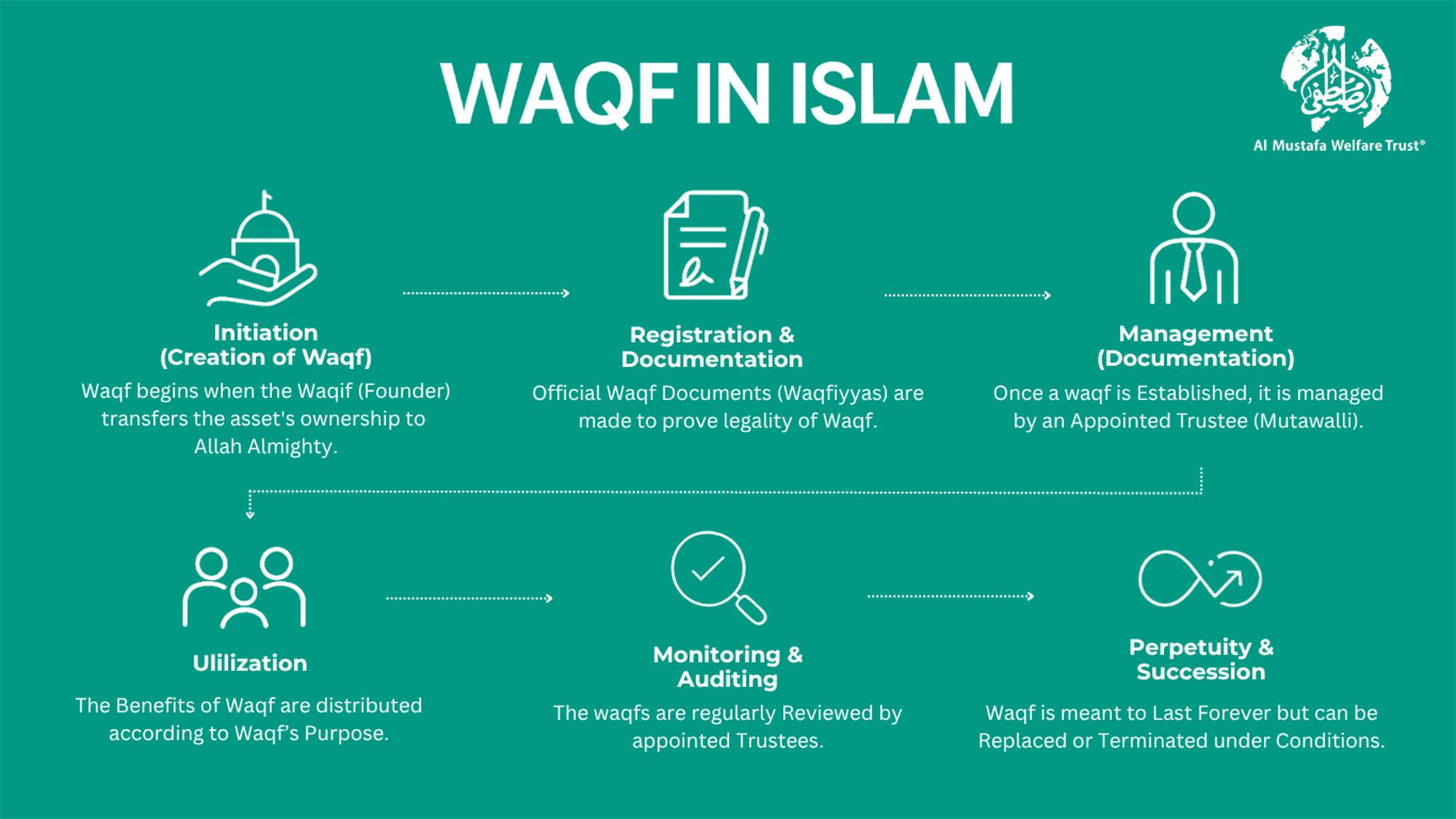
Before selecting a waqf project, it is important to understand the true purpose of waqf itself. Waqf is not merely about giving charity once; it is about creating continuous benefit. Unlike one-time donations, waqf is designed to provide long-term value where the rewards and impact continue to grow over time.
Historically, waqf institutions funded schools, hospitals, libraries, water systems, mosques, and public facilities across the Muslim world. Many of these institutions served communities for decades or even centuries. This demonstrates how a properly managed waqf can become a powerful tool for social development and sustainable change.
Therefore, when evaluating a waqf project, contributors should focus on projects that aim to create lasting outcomes rather than temporary solutions.
Look for Transparency and Accountability
One of the most important signs of a trustworthy waqf project is transparency. Reputable waqf organizations should clearly explain:
- How donations are collected and managed
- Where the funds are allocated
- The objectives of the project
- Progress updates and financial reporting
- The expected social impact of the waqf
Transparent organizations are usually willing to share reports, project updates, and measurable outcomes with donors. This helps contributors feel confident that their assets are being handled responsibly and ethically.
It is also helpful to check whether the organization is registered with relevant authorities or supervised by qualified Islamic scholars and financial professionals. Proper governance and accountability reduce the risk of misuse and increase public trust.
Evaluate the Real Impact on Society
A good waqf project should address genuine community needs and create meaningful social impact. Before contributing, ask questions such as:
- Does the project solve a long-term problem?
- Who will benefit from the waqf?
- How sustainable is the project?
- Will the impact continue for future generations?
For example, waqf projects that support education, healthcare, clean water, or income-generating opportunities often provide long-lasting benefits to large groups of people. These projects not only help individuals immediately but also strengthen communities over time.
Projects with measurable outcomes are often easier to evaluate. If an organization can demonstrate how many people have benefited or how the project has improved lives, this is usually a positive sign.
Choose Sustainable and Well-Managed Projects
Sustainability is a key principle of waqf. The best waqf projects are designed to continue generating benefits without constantly relying on additional donations.
For instance, some waqf projects invest in income-generating assets such as buildings, farmland, or businesses. The profits generated are then used to fund charitable activities continuously. This creates a stable and long-term support system for beneficiaries.
Good management is equally important. Even a noble project may struggle if it lacks proper planning, financial management, or operational oversight. Contributors should look for organizations with experienced management teams, clear strategies, and a proven track record of successful projects.
Verify Religious Compliance
Since waqf is an Islamic charitable institution, it is important to ensure that the project complies with Shariah principles. Reliable waqf organizations usually work with qualified Islamic scholars or Shariah advisory boards to ensure that all operations, investments, and distributions follow Islamic guidelines.
This gives contributors peace of mind knowing that their waqf is being managed in accordance with Islamic values and ethics.
Read Reviews and Community Feedback
Another useful step is to research the organization’s reputation. Testimonials, reviews, and community feedback can provide valuable insights into the credibility and effectiveness of a waqf project.
If possible, speak with people who have previously contributed or benefited from the organization’s programs. Positive community trust and consistent feedback are often strong indicators of authenticity and impact.
Align the Waqf with Your Personal Values
Different waqf projects support different causes. Some focus on education, while others prioritize healthcare, orphan support, environmental sustainability, or religious development.
Choosing a project that aligns with your personal values and intentions can make the contribution more meaningful. When donors feel connected to a cause, they are often more motivated to continue supporting it and sharing awareness with others.
The Importance of Making an Informed Decision
Contributing to waqf is a noble act that can leave a lasting legacy. However, making an informed decision is essential to ensure that the contribution truly benefits society and fulfills its intended purpose.
A trustworthy waqf project should demonstrate transparency, sustainability, accountability, and measurable impact. By carefully evaluating organizations and projects, contributors can help ensure that their waqf becomes a source of continuous benefit for generations to come.
Ultimately, choosing the right waqf project is not just about donating assets — it is about investing in long-term social good, empowering communities, and creating meaningful change that continues far into the future.