
In order toThe Blessing of Waqf in Islamic Heritage and Modern Times
In the name of Allah, the Most Merciful, the Most Compassionate. Throughout Islamic history, the blessing of waqf has stood as one of the most noble expressions of faith and community service. It is not merely a financial tool or a legal instrument; waqf is a spiritual act that reflects the highest ideals of Islam—generosity, justice, compassion, and the desire to serve humanity beyond one’s own lifetime.
The Qur’an encourages us to spend from our sustenance for the benefit of others, promising that such spending—whether in times of ease or difficulty—brings us closer to Allah. Waqf embodies this principle in its most beautiful form, because it combines immediate charity with perpetual rewards that continue flowing long after the initial contribution is made. The blessing of waqf lies in its ability to create lasting legacy while generating continuous spiritual rewards for the donor.
The Historical Blessing of Waqf
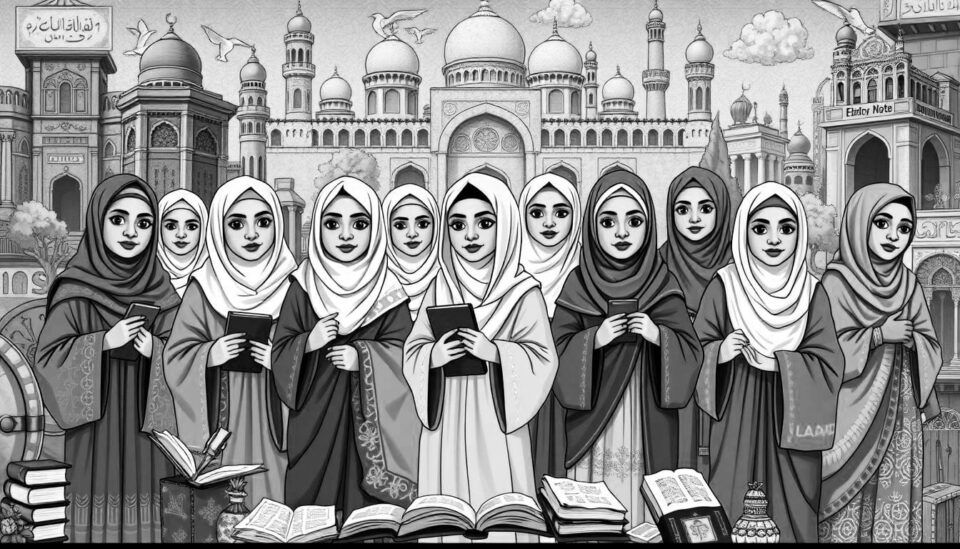
When we look at Islamic history, we witness the transformative power of waqf across centuries and continents. The greatest centers of learning in the Muslim world were sustained through waqf. The Al-Azhar University, the Dar al-Hikma in Baghdad, the vast library systems of Islamic Spain—these magnificent institutions of knowledge were not supported by governments alone, but by the continuous generosity of waqf established by individuals of all social classes.
Beyond academia, waqf funded hospitals where physicians treated patients regardless of their ability to pay. Waqf established water systems that brought clean water to entire cities. Waqf supported orphanages, schools, and caravanserais. The infrastructure of Muslim civilization—the social safety net that protected the vulnerable and empowered the needy—was largely built through the blessing of waqf.
This wasn’t the work of the exceptionally wealthy alone. Ordinary Muslims, craftspeople, merchants, and farmers established waqf according to their means. A widow might contribute her small parcel of land as waqf, ensuring that its produce would forever support the needy. A merchant might establish a waqf generating funds through fair trade practices to support scholars. Each contribution, no matter its size, was seen as an investment in the eternal goodness of the ummah.
The Spiritual Dimension: Understanding the Blessing of Waqf
The true blessing of waqf lies in its spiritual dimension. When we establish waqf with sincere intention, we are performing an act of pure worship. We are saying, through our actions, that our material possessions are not truly ours—they are held in trust from Allah, and we are merely stewards responsible for their wise and compassionate use.
The Prophet Muhammad, peace be upon him, taught us that among the deeds whose reward continues after death are three: beneficial knowledge that people benefit from, righteous children who pray for you, and waqf. This means that when you establish a waqf, the blessings and rewards associated with it continue flowing toward you eternally—as long as people benefit from it and pray for your kindness.
This is a profound mercy from Allah. It means that your good deeds need not end with your earthly life. Your generosity can become a continuous source of reward and blessing that transcends time and space. Each person who benefits from your waqf becomes, in essence, a means through which your reward multiplies.
Waqf as an Act of Faith
Establishing waqf requires a particular kind of faith. It requires believing that Allah will multiply what we give, that He will preserve and bless our contribution, and that the good we do will bear fruit far beyond what we can imagine or measure. It requires releasing our attachment to possessions and trusting that true security comes from serving others.
In our modern world, where anxiety about financial security often dominates our thoughts, waqf offers a different perspective. It teaches us that security doesn’t come from hoarding and holding tightly to what we have. Rather, it comes from placing our trust in Allah and sharing generously with others. This mindset shift has profound implications for our spiritual well-being and peace of mind.
Many people who have established waqf describe a sense of lightness and spiritual freedom afterward. They feel liberated from the burden of possessions and connected to a purpose larger than themselves. They experience the truth of Allah’s promise that He provides for those who are generous and faithful.
The Continuity of Blessings: The Blessing of Waqf Across Generations
One of the most beautiful aspects of waqf is how it creates continuity of blessing across generations. When you establish waqf for education, you are blessing countless students not yet born. establish waqf for healthcare, you are healing people you will never meet. When you establish waqf for community development, you are empowering future generations to build better lives.
This connects us to the broader Muslim community across time. We benefit from the waqf established centuries ago by our ancestors. The knowledge that reaches us, the institutions that serve us, the values that guide us—many of these are sustained through the generosity of people who lived long before we were born. In establishing our own waqf, we become part of this unbroken chain of goodness that stretches from the past into the future.
The Blessing of Waqf in the Digital Age
In our modern times, the principles of waqf have expanded into new domains. Digital waqf, where individuals contribute knowledge, content, or technological resources for the benefit of all, reflects the timeless principle of waqf in contemporary forms.
Platforms that share Islamic knowledge, community resources, and values—like nusantaracarpet.com which serves as a bridge for Muslim communities—demonstrate how waqf principles can thrive in the digital age. Whether through traditional means or modern platforms, the essence of waqf remains unchanged: creating continuous benefit for humanity. Learn more about different types of waqf and how to choose the right one for your circumstances.
Some individuals establish waqf by creating educational content that benefits millions. Others establish waqf through mentoring and teaching. Still others establish waqf through supporting organizations that serve community needs. The forms may evolve, but the principle endures.
The Reminder of Our Shared Humanity
Waqf teaches us something essential about our shared humanity. It reminds us that none of us exists in isolation. We are all interconnected, dependent on the generosity and labor of others. By establishing waqf, we acknowledge this interdependence and commit to being part of the network of care that holds society together.
When poverty, illness, ignorance, or hardship exist in our communities, waqf becomes the remedy. It is the expression of our collective commitment that no one should suffer needlessly when we have the means to help. Through waqf, we build societies where basic needs are met, where education is accessible, where healthcare reaches all, and where human dignity is respected.
A Call to Reflection and Action
This tazkirah is a call to each of us to reflect on what we can contribute to the well-being of our communities and the ummah. It is not a call to emptiness or deprivation. Rather, it is an invitation to experience the profound blessing that comes from strategic generosity—giving in a way that creates lasting change.
You may not have vast wealth, but you have something, knowledge, skills, time, or resources that can benefit others. With the capacity to imagine a better future and work toward it. You have the ability to plant seeds of goodness that will bear fruit for generations.
The blessing of waqf is available to all of us. It requires only sincere intention, clear purpose, and the courage to act. When you establish waqfnwhether it is monetary, property-based, or through your talents and knowledge,
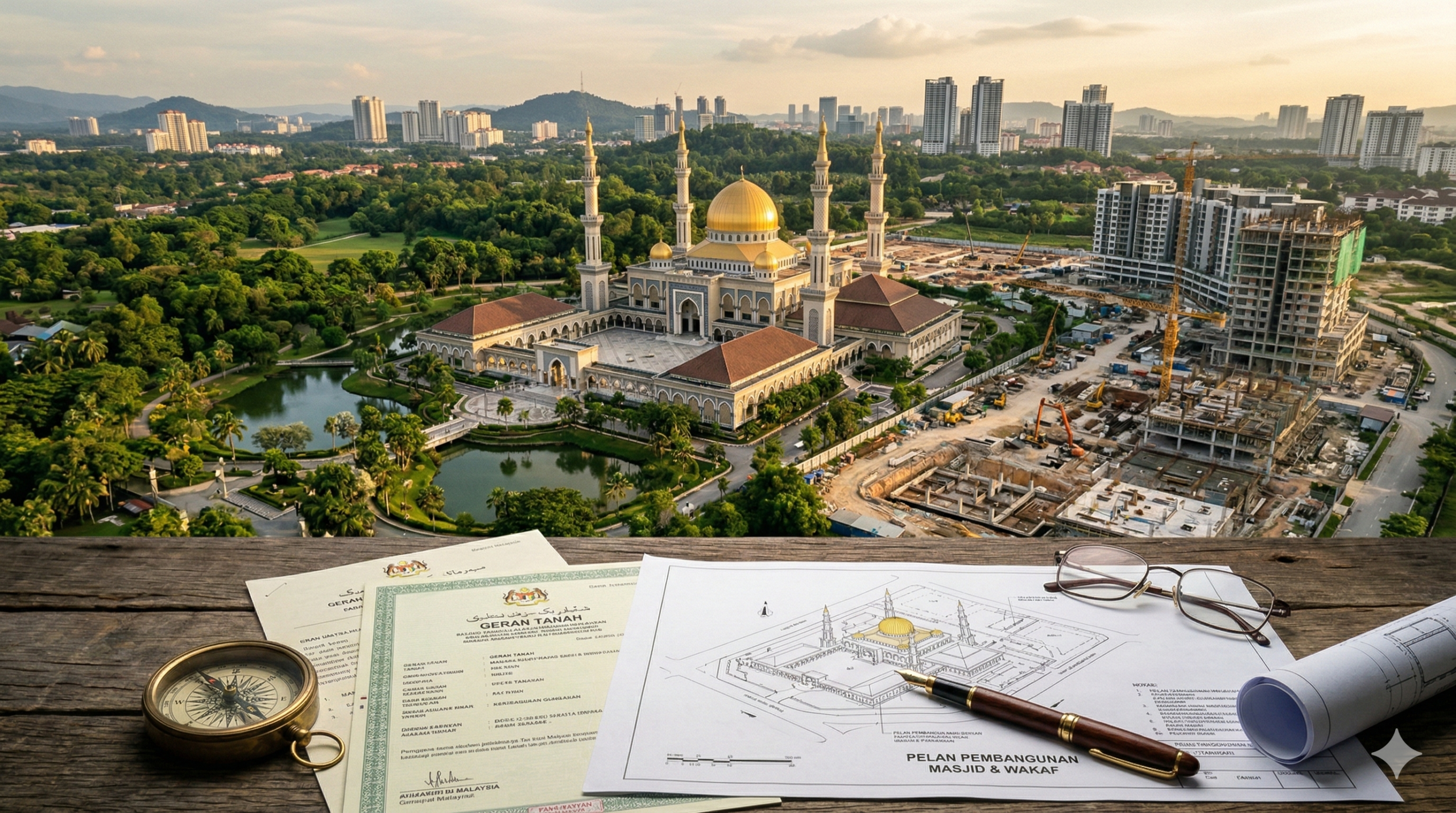
You become part of a centuries-old tradition of creating endless goodness. Consider starting a waqf project for your local mosque or community space to make a meaningful difference.
In the end, the blessing of waqf is not just about the money or resources you give, about the person you become through the act of giving and aligning your life with the highest values of Islam.
May Allah grant us all the wisdom to establish beneficial waqf, the sincerity to make our intentions pure, and the faith to trust that He will multiply our contributions beyond our imagination. May our waqf be a source of continuous reward and blessing for ourselves and all of humanity.